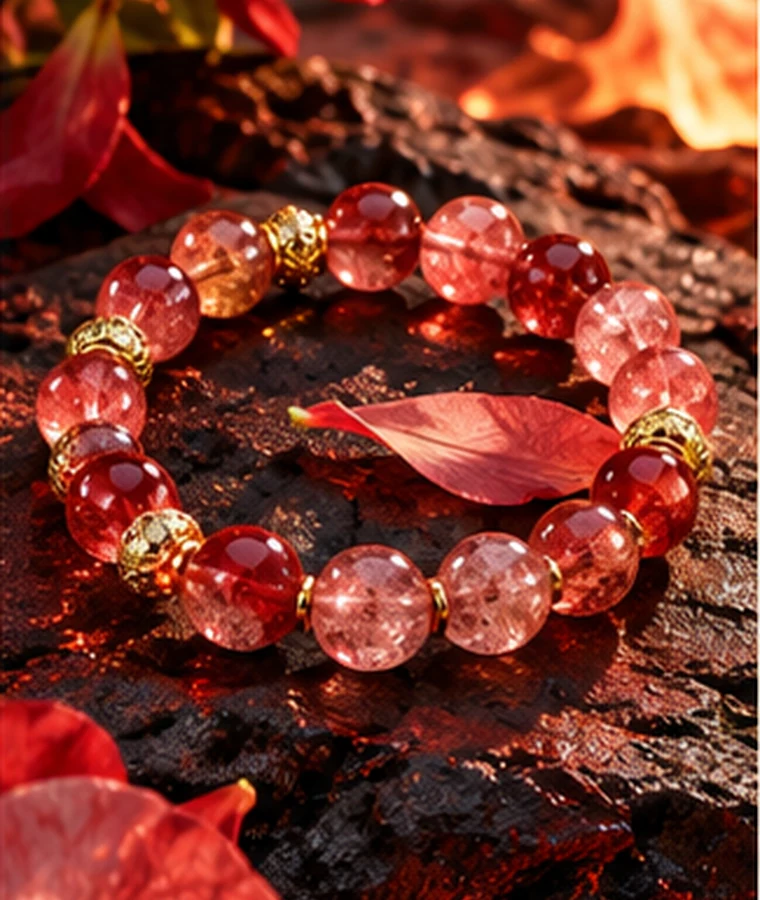
Yes. Prolonged light and heat can fade or damage some colored gemstones, including amethyst, kunzite, topaz and certain treated or dyed materials. Rose quartz and other pale stones are also commonly protected from strong direct sun. Store colored crystal jewelry in a dry shaded place and use bright indirect light for display or photography.
Why do some crystals fade in sunlight?
Gem color can come from trace elements, structural defects known as color centers, treatments or dyes. Light and heat may alter those color-producing mechanisms. The response varies by material, treatment, intensity and exposure time, so a universal “sun-safe” list is unreliable.
Which crystals deserve extra light protection?
GIA care guidance notes that light and heat can affect colored gemstone durability and color, including amethyst, kunzite, topaz and shell cameos. Dyed stones may also change. Protect rose quartz, fluorite and other pale or strongly colored materials when the source or treatment is uncertain.
How can crystal jewelry be displayed safely?
Use bright indirect light, rotate display pieces and keep them away from a hot windowsill. Store bracelets in individual pouches or boxes. For photography, use diffused window light for short sessions and return items to shaded storage afterward.
How do the main choices compare?
| Material group | Potential risk | Safer placement | Buyer question |
|---|---|---|---|
| Amethyst and colored quartz | Color may fade with prolonged exposure | Shaded drawer or indirect light | Natural color or treated? |
| Kunzite and some topaz | Light-sensitive color | Closed jewelry box | Any special light care? |
| Dyed or coated stones | Dye or coating may change | Keep away from strong UV | What treatment was used? |
| Opal and organic gems | Heat and dryness may affect material | Stable temperature and humidity | Exact type and care instructions |
| Clear spheres and polished décor | Can concentrate sunlight and heat nearby surfaces | Out of direct sun | Safe display location? |
What product and wholesale facts should buyers confirm?
- Materials
- Confirm the exact stone or material, whether it is natural, treated, laboratory-created, reconstructed, composite or glass, and any metal components.
- Size
- Standard reference: approximately 8 mm round beads for an approximately 16–18 cm wrist. Final bead and bracelet measurements are confirmed for the selected design.
- Production
- Designed, assembled and quality-checked in Donghai County, Jiangsu, China. Geological stone origin varies by mineral and production batch.
- Care
- Wipe with a soft dry cloth. Remove before bathing, swimming, exercise, sleep or cleaning. Avoid chemicals, impact, soaking and prolonged direct sunlight.
- Wholesale MOQ
- Standard reference: 50 pieces per design. Mixed assortments and custom specifications are confirmed in the written quotation.
- Packaging
- Individual recyclable paper box and care card. Private-label cards, stickers and custom packaging are available by quotation.
- Lead time
- Samples usually require 7–10 business days; bulk production usually requires 15–25 business days after approval and deposit.
Who wrote and reviewed this guide?
Author: CC, CRYSTALS ENERGY editorial team. Updated: October 25, 2026. Review schedule: CC reviews this guide weekly for material descriptions, care guidance, responsible wording and sourcing facts.
Editorial review: Material and care statements are separated from symbolic traditions. Exact stone identity, treatment, dimensions, price, MOQ, packaging and delivery are confirmed for the selected production batch and written quotation.
Reference sources
Frequently asked questions
Does amethyst fade in sunlight?
Prolonged strong light can affect amethyst color. Store it away from direct sun and use indirect light for display.
Can rose quartz stay on a windowsill?
A shaded location is safer because prolonged strong light and heat may change color or damage nearby components.
Can faded crystal color be restored?
Usually not reliably. Prevention through shaded storage is the practical approach.
Is moonlight safer than sunlight?
Indoor indirect moonlight avoids strong UV and heat, but keep jewelry dry and do not leave it where morning sun will reach it.
Can crystal décor cause a fire risk?
Transparent or curved objects can concentrate sunlight. Keep crystal spheres, prisms and glass-like décor away from direct sun and combustible materials.
Need product advice or the latest catalog?
Tell us the styles, quantity and destination country you need. We will confirm current materials, MOQ, packaging and lead time.
WhatsApp Chat for Private Customization →