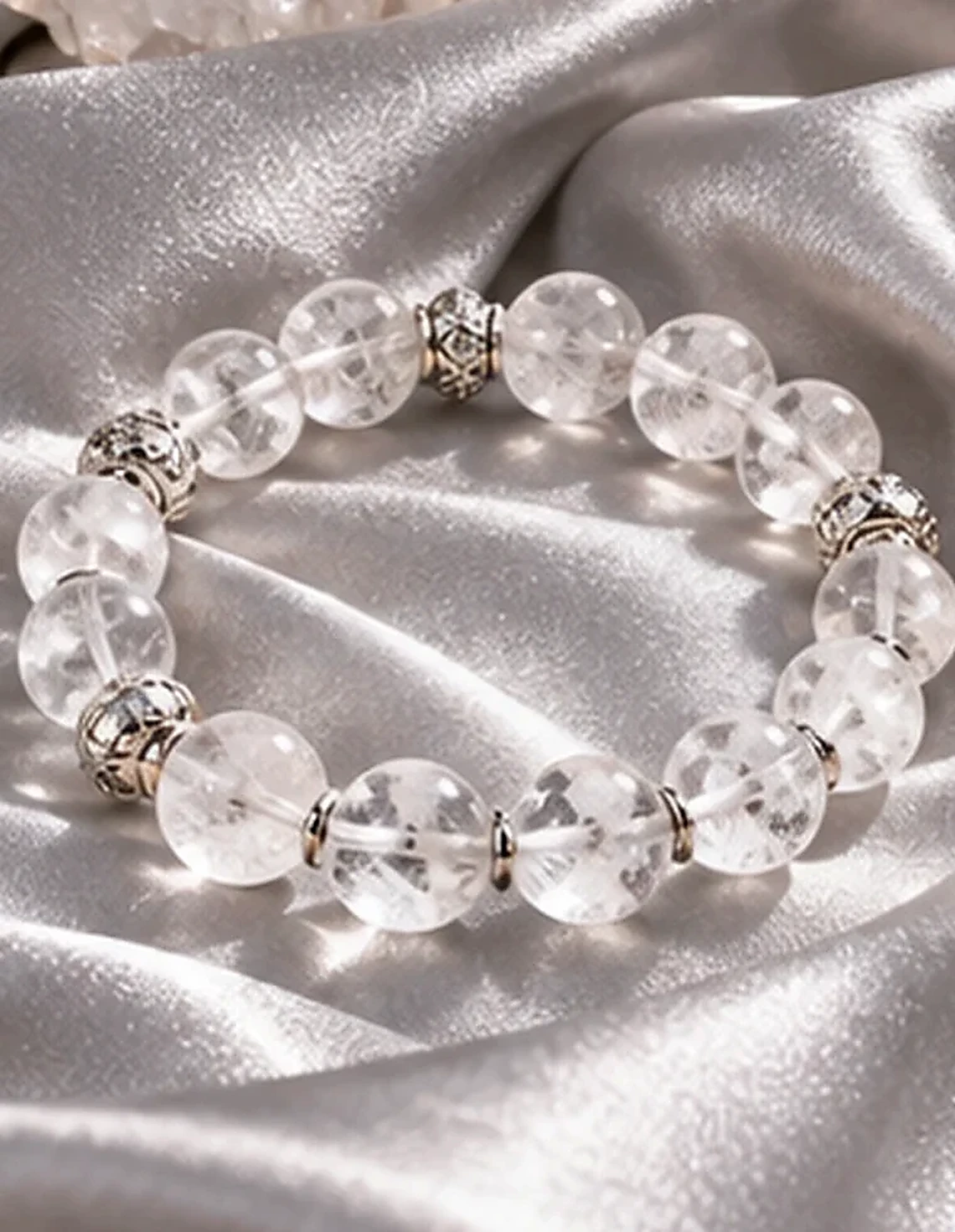
Crystals can be useful in a calm routine when they work as visual anchors, tactile reminders and symbols of an intention. The benefit comes from what you do around the object—slowing down, breathing, noticing sensations and creating a repeatable pause—not from a guaranteed medical effect. This grounded approach lets you enjoy crystal traditions while keeping expectations honest.
Can crystals really make you feel calmer?
Some people report feeling more settled when they hold or wear a favorite stone. That experience can be meaningful, but it does not prove that a mineral treats anxiety, insomnia or another health condition. A crystal may help focus attention in the same way that a meaningful photograph, worry stone, journal or piece of jewelry can. Color, weight, texture and personal association can all make a pause feel more intentional.
The practical question is not “Which crystal guarantees calm?” but “Which object helps me remember the calming behavior I want to practice?” If a smooth amethyst bracelet reminds you to unclench your shoulders, take three slow breaths and step away from a screen, it is serving a useful role in your routine.
Which crystals are traditionally associated with calm?
- Amethyst is commonly linked with reflection, quiet and evening rituals.
- Rose quartz is associated with gentleness, compassion and kind self-talk.
- Blue lace agate is chosen for its soft color and traditional connection with calm communication.
- Clear quartz offers a neutral look and is often used as a symbol of clarity and intention.
- Smoky quartz or obsidian may appeal to people who prefer darker colors and grounding symbolism.
These associations come from cultural and lifestyle traditions. Choose by verified material, color, comfort and personal meaning rather than by dramatic promises.
A five-minute crystal calm practice
- Choose one object. A bracelet, palm stone or small display crystal is enough.
- Name the pause. Say, “For the next five minutes, I am stepping out of urgency.”
- Use the senses. Notice the stone’s temperature, texture, weight and color without judging them.
- Breathe naturally. Let the exhale become slightly longer than the inhale if that feels comfortable.
- Close with one action. Drink water, write one priority or take a short walk.
Consistency matters more than the type or price of the crystal. Repeating the same simple sequence can make it easier to recognize the transition from activity to rest.
How to choose a calm crystal bracelet
For everyday wear, prioritize fit and construction. Measure the wrist, allow comfortable movement and consider whether large beads will interfere with typing. Ask the seller to identify every material and disclose dye, coating, heat treatment, stabilization or imitation components. Select colors you genuinely enjoy; a calming object should not feel like a costume.
Keep care simple. Wipe jewelry with a soft dry cloth and avoid perfume, harsh cleaners, prolonged sunlight, soaking and heavy impact unless the exact materials are confirmed safe. Many bracelets contain elastic, metal or porous stones that need gentler care than the gemstone name alone suggests.
When a crystal is not enough
Crystal rituals are lifestyle practices, not substitutes for mental-health care. Persistent anxiety, panic, depression, trauma symptoms or sleep problems deserve support from a qualified professional. In an urgent or unsafe situation, contact local emergency or crisis services. You do not have to choose between enjoying a symbolic object and getting evidence-based help.
A responsible way to describe the experience
Use language such as “supports my calming routine,” “reminds me to pause” or “represents inner peace.” Avoid claims that a product cures anxiety, balances brain chemistry or replaces therapy. Honest language protects buyers and gives the object a more sustainable role: a beautiful prompt for a practice you control.
Need a personal DIY kit, small-shop assortment or boutique collection?
Share your preferred colors, bead sizes, quantity, packaging needs, destination country and target date. We will confirm current materials, treatment disclosure, MOQ, samples, lead time and quotation.
Request options on WhatsApp →