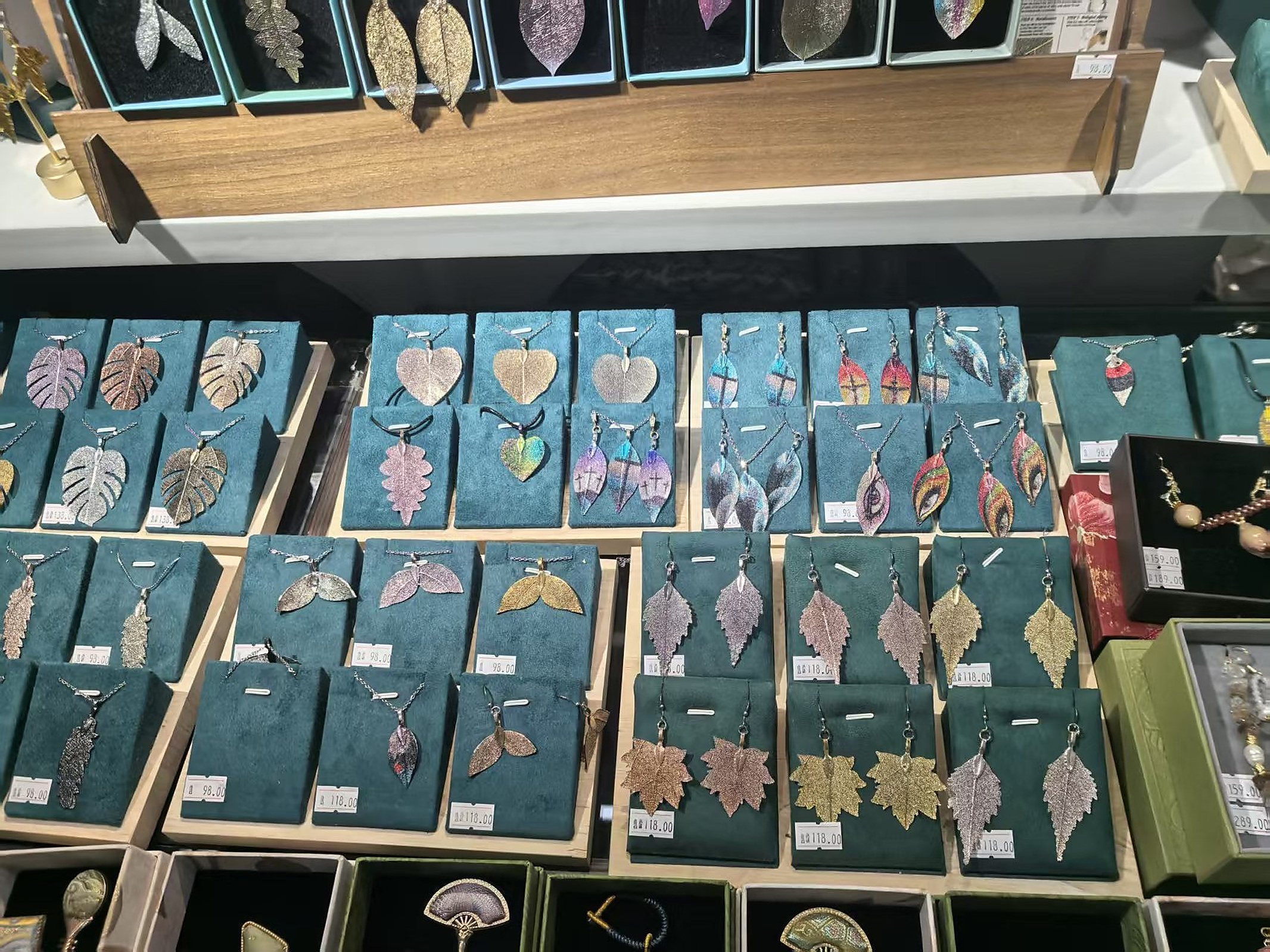
A boutique crystal program should feel edited, tactile and ownable. The goal is not to display every available stone; it is to create a recognizable point of view that connects material, color, packaging and service. DIY kits can bring participation, while finished private-label pieces provide an immediate gift option.
Choose a collection concept before choosing SKUs
Begin with a customer occasion or visual world: quiet evening ritual, botanical color, celestial symbolism, modern Five Elements or personalized gifting. Write a one-sentence collection promise and reject products that do not support it. A strong concept makes a small assortment feel intentional rather than limited.
Combine DIY and finished pieces
A balanced boutique launch can include two or three DIY kit designs, four to six finished bracelets and one elevated gift set. Use the same core beads across formats. A customer who enjoys the finished piece may buy a kit as an experience, while a DIY customer may return for a polished gift.
Create visual hierarchy
- Signature piece: the design that expresses the collection most clearly.
- Accessible entry: a simple bracelet or compact kit at an easy gift price.
- Personalization layer: color, charm, card or size choices that feel considered but remain operationally manageable.
- Gift upgrade: a box, pouch and story card that raise perceived value without hiding material facts.
Specify private-label details in writing
Confirm logo placement, print colors, box and pouch materials, barcode position, country-of-origin labeling, care instructions and the exact wording used for gemstone treatments. Ask for digital proofs and physical pre-production samples. Approve color under consistent lighting and keep an approved sample for future batch comparison.
Build trust through material transparency
Premium presentation cannot replace accurate disclosure. State whether materials are natural, treated, laboratory-created, composite or imitation. Describe metal components and any known plating. Explain that natural stones vary in pattern and tone. Real batch photography and tolerance ranges reduce disappointment while reinforcing authenticity.
Merchandise by story, not just by stone name
Place a finished sample, loose material, short story card and care note together. Show how the kit looks before, during and after assembly. Cross-merchandise with trays, journals or gift wrap only when the visual language is consistent. Keep medical or guaranteed-energy claims off signage; use words such as reflection, intention, symbolism and ritual.
Protect the boutique margin
Calculate landed cost and labor for every format. Private-label packaging often has a different MOQ from the jewelry itself, so excess boxes can tie up cash. Ask whether generic premium packaging with branded sleeves or cards can lower the first-order risk. Confirm replacement policy for breakage, unacceptable color variance and printing errors.
Plan a sample-to-launch timeline
- Share the collection brief, target retail range and quantities.
- Review available materials and treatment disclosures.
- Order samples and test fit, color, construction and packaging.
- Approve a final specification sheet and physical reference sample.
- Confirm production, inspection, shipping and launch dates.
- Photograph the approved assortment and train staff before stock arrives.
A concise inquiry brief
Send your boutique location or market, customer profile, visual references, target SKUs, quantities, price range, packaging needs, logo files, destination and deadline. Also state whether you want ready-made designs, light customization or a fully developed private-label collection. The clearer the brief, the more accurate the MOQ, timeline and quotation.
Need a personal DIY kit, small-shop assortment or boutique collection?
Share your preferred colors, bead sizes, quantity, packaging needs, destination country and target date. We will confirm current materials, treatment disclosure, MOQ, samples, lead time and quotation.
Request options on WhatsApp →