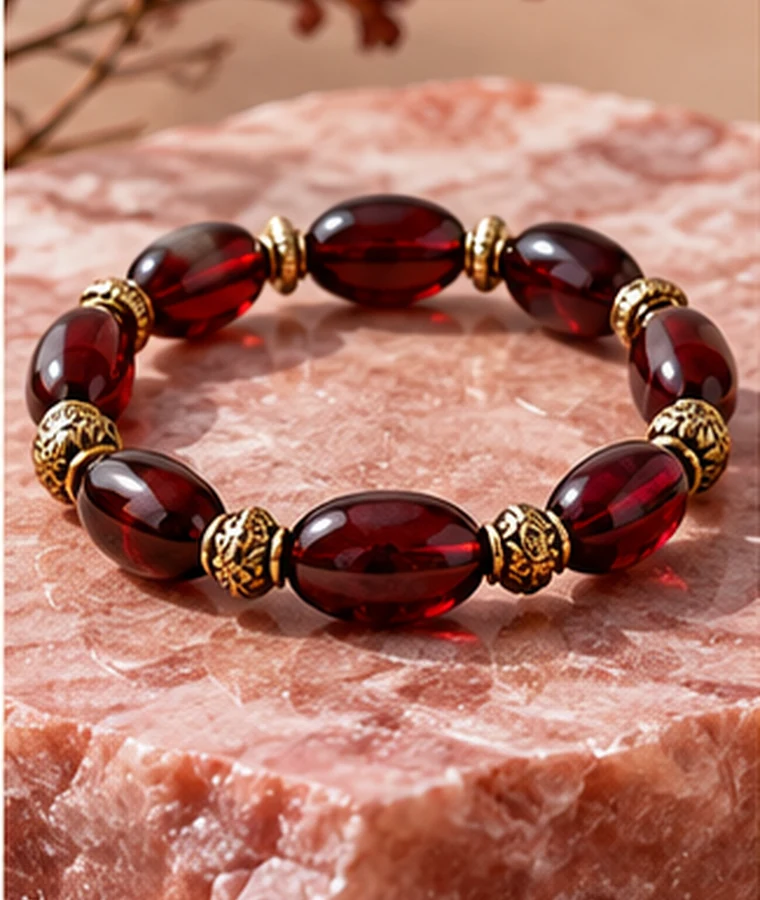
You cannot prove that every crystal is real from color, temperature, bubbles or a scratch test alone. The safest approach is to check the seller's material name, treatment disclosure, price, batch photography, return policy and independent gemological evidence when value justifies testing. Natural variation is useful context, but laboratory identification is the strongest proof for important purchases.
How can I tell if a crystal is real?
Ask for the mineral or trade name in writing, whether it is natural or synthetic, and whether it has been dyed, heated, coated, stabilized, irradiated or reconstructed. Compare multiple product photos and look for a consistent seller policy. For high-value stones, request a report from a qualified independent gemological laboratory.
Which popular home tests should I avoid?
Do not scratch, burn, freeze or soak jewelry to test it. These methods can damage real stones, coatings, elastic and metal components, yet still fail to identify the material. Temperature and weight impressions are also unreliable because room conditions, bead size and glass composition vary.
What are common authenticity warning signs?
| Signal | What it may mean | What to ask | Best next step |
|---|---|---|---|
| Perfectly uniform color | Dyed, coated, synthetic or carefully sorted material | Is the color natural or enhanced? | Request treatment disclosure |
| Very low price for a rare material | Imitation, composite or misleading name | What is the exact mineral? | Compare credible market references |
| Only edited photographs | Color or inclusions may be concealed | Can I see batch and daylight images? | Request current product media |
| No return or specification policy | Higher buyer risk | What happens if the material differs? | Use a documented supplier |
Does natural variation prove authenticity?
No single visual feature proves authenticity. Natural stones often vary in color, inclusions and pattern, but glass, dyed stone and composites can also vary. A transparent description is more useful than claims that every flaw proves a stone is natural.
How should wholesale buyers verify a supplier?
Approve a sample, record the agreed material and treatment, compare the production batch with the approved sample and use acceptance criteria for color, size, drilling, polishing and construction. For important orders, arrange third-party inspection or testing.
What product and wholesale facts should buyers confirm?
- Materials
- Natural, treated, reconstructed, synthetic or glass beads may appear in the market. Product pages and quotations should identify the actual material category and any known treatment.
- Size
- Standard reference: approximately 8 mm round beads on elastic, fitting an approximately 16-18 cm wrist. Custom bead and bracelet sizes are available by quotation.
- Production origin
- Designed, assembled and quality-checked in Donghai County, Jiangsu, China. Geological stone origin varies by mineral and production batch.
- Care
- Wipe with a soft dry cloth. Remove before bathing, swimming, exercise or cleaning. Avoid perfume, chemicals, hard impact, soaking and prolonged direct sunlight.
- Wholesale MOQ
- Standard reference: 50 pieces per design. Mixed assortments and custom specifications are confirmed in the final quotation.
- Packaging
- Individual recyclable paper box with a care card. Private-label cards, stickers and branded packaging are available by quotation.
- Lead time
- Samples: usually 7-10 business days. Bulk production: usually 15-25 business days after sample approval and deposit. The signed quotation controls final timing.
Who wrote and reviewed this guide?
Author: CC, CRYSTALS ENERGY editorial team. Updated: October 24, 2026. Review schedule: CC reviews this guide every week for material descriptions, care guidance, sourcing facts and responsible lifestyle wording.
Editorial review: Crystal meanings are presented as cultural, symbolic and personal-reflection traditions. No crystal is presented as diagnosing, preventing, treating or curing a medical condition, or guaranteeing luck, money, love or protection.
Reference sources
Frequently asked questions
How can I tell if a crystal is real?
Check the written material name, treatment disclosure, batch photographs, seller policy and independent laboratory evidence when the purchase value justifies testing.
Do bubbles always mean a crystal is fake?
No. Bubbles can suggest glass in some contexts, but visual inspection alone is not enough to identify every material.
Does a cold feeling prove a stone is real?
No. Temperature depends on the material, room, bead size and how long the object has been handled.
Are dyed crystals fake?
A dyed natural stone may still be natural material, but the treatment must be disclosed. Misrepresentation is the problem.
What should a verified crystal supplier provide?
Clear material and treatment descriptions, batch media, sample approval, production tolerances, return or claim terms and documented quotations.
Should I use a scratch or burn test on crystal jewelry?
No. Destructive home tests can damage both authentic and imitation products and may not identify the material correctly.
Buy with Clear Product Facts
Compare materials, sizing, care and symbolic meaning before choosing a bracelet.
Read the bracelet guide →